
Founder & President — The Table Group — Author, 'The Advantage'
One of the most widely read voices on team health and organizational clarity. Best known for reframing culture as a competitive advantage, not a soft asset.

Founder, Kaizen Institute — Author, 'Kaizen: The Key to Japan's Competitive Success'
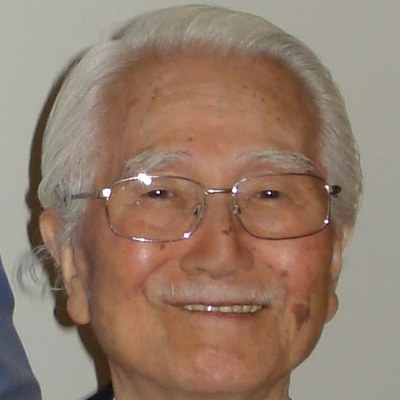
Masaaki Imai is the founder of Kaizen Institute, established in 1985, and an author who helped introduce Kaizen — continuous improvement involving everyone in an organization — to a global audience. His book Kaizen: The Key to Japan's Competitive Success (1986) is a foundational text on the subject. His biography is maintained by Kaizen Institute.
Photo by Roel Linders / wikiportret.nl, licensed under CC BY-SA 4.0, via Wikimedia Commons.
Download a quote card for LinkedIn or X.
What Is a Culture Assessment? (Definition, Questions & Framework)
A practical definition of a culture assessment, an 8-dimension framework, example questions for each dimension, and how to run one with your leadership team and act on what it shows.
The Promotion Test: Do Your Values Affect Who Advances?
An illustrative organization replaces 'leadership presence' and 'fit' with a promotion evidence standard that connects values to conduct at the next level.
When a Star Performer Breaks the Values
A top producer treats a colleague badly. Leadership does nothing. The real message is now clear to everyone. A case study in what consequences actually teach.

Founder & President — The Table Group — Author, 'The Advantage'
One of the most widely read voices on team health and organizational clarity. Best known for reframing culture as a competitive advantage, not a soft asset.

Organizational Psychologist, Professor — The Wharton School — Author, 'Think Again'
Wharton's top-rated professor and one of the most cited voices on how people work at their best. Focuses on generosity, rethinking, and originality inside teams.

CEO — KPI Fire — Author, 'Fire Starter: How to Ignite Improvement'
Helps organizations turn improvement into a daily operating rhythm. Combines continuous-improvement systems with leadership discipline so culture becomes measurable.